Tangier Weather: The Best Time to Visit Morocco’s Coastal Gem
When planning a trip to northern Morocco, one of the most common questions travelers ask is regarding the best time to visit tangier. Thanks to its unique geographical location—where the Mediterranean Sea meets the Atlantic Ocean—Tangier enjoys a mild, pleasant climate almost year-round. However, depending on what you want to do during your trip, some seasons are definitely better than others.
In this comprehensive guide, we will break down the weather by season, explain when you can expect the most crowds, and help you determine the absolute best time to visit tangier for your specific travel style and budget.
Spring (March to May): The Absolute Best Time
Perfect Weather and Blooming Flowers
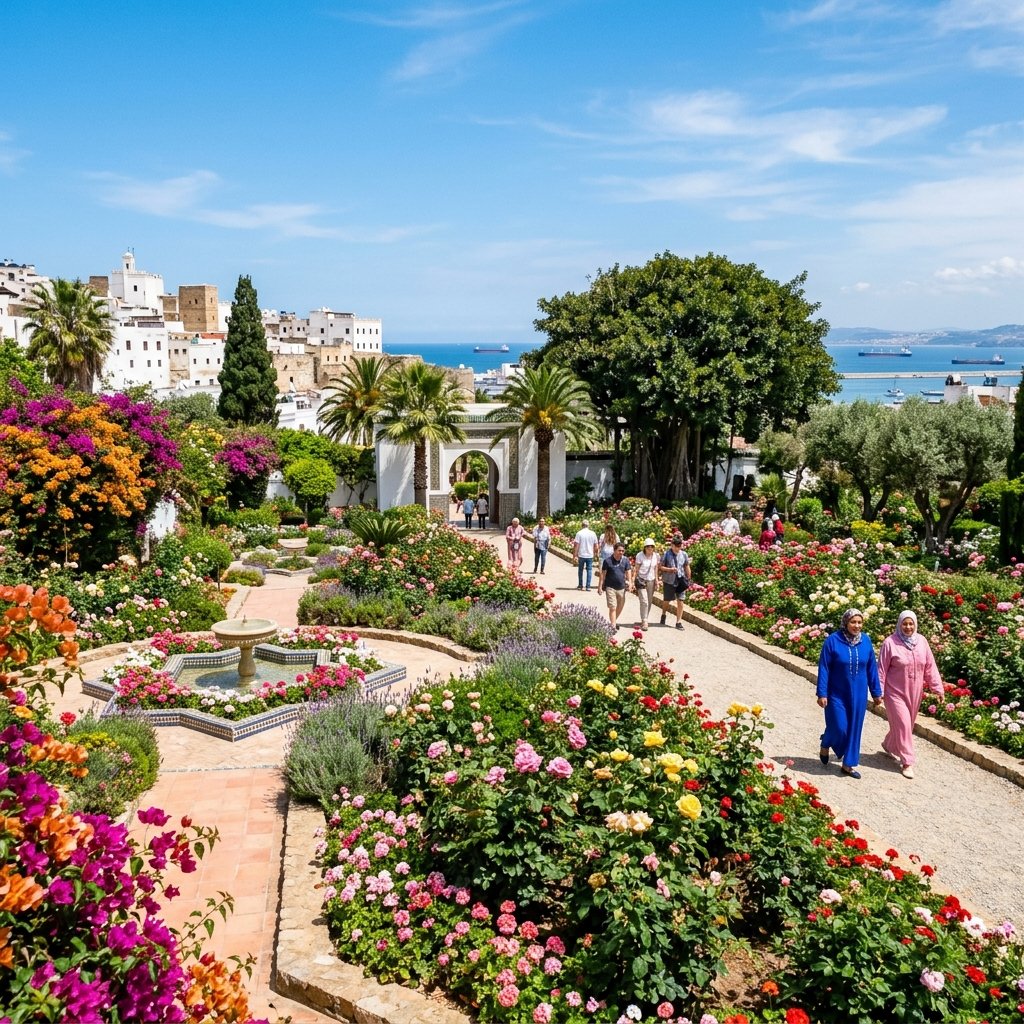
Ask any local or frequent traveler, and they will tell you that spring is undoubtedly the best time to visit tangier. The temperatures are incredibly comfortable, ranging from 15°C to 23°C (59°F to 73°F). The city’s parks, like the Mendoubia Gardens and Parc Perdicaris, are bursting with colorful blooming flowers.
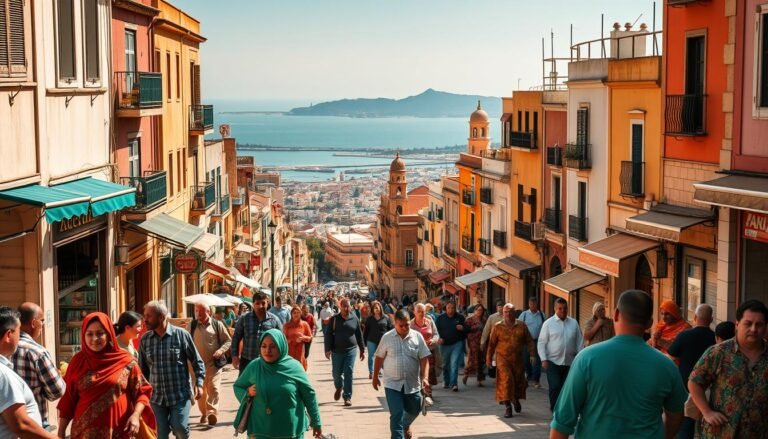
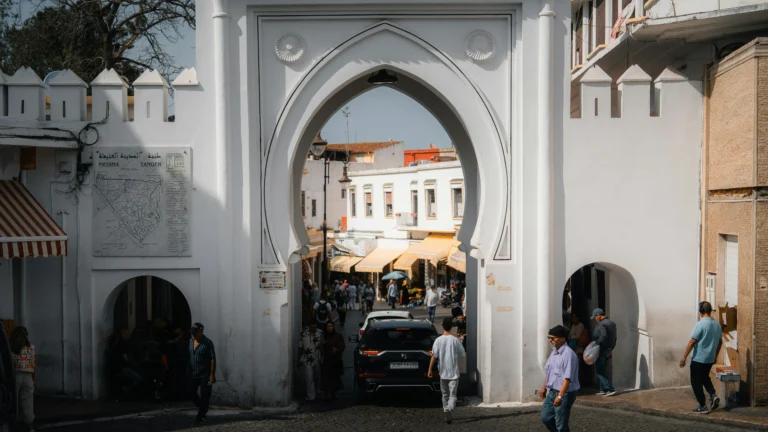
This is the ideal season for exploring the historic Medina without getting exhausted by the summer heat. Furthermore, the tourist crowds have not yet peaked, meaning you can easily find affordable rates at the best riads in Tangier.
Summer (June to August): Sun, Sea, and Crowds
Beach Season and High Energy
If your main goal is to lay on the sand and swim in the ocean, then summer is the best time to visit tangier for you. Temperatures often reach 30°C (86°F), making the cool ocean breeze incredibly refreshing. The newly renovated Tangier Corniche is packed with energy, outdoor cafes, and nightlife.
However, be warned: summer is the peak tourist season. Moroccan expatriates return home from Europe, and international tourists flock to the coast. You can expect higher hotel prices and crowded beaches. Make sure you book everything well in advance!
Autumn (September to November): The Sweet Spot
Warm Oceans and Lower Prices
Autumn is the “shoulder season” and is a fantastic alternative if you can’t travel during the spring. The intense heat of the summer begins to fade, but the ocean water remains warm enough for swimming well into October. Temperatures hover comfortably in the mid-20s Celsius (70s Fahrenheit).
Visiting during autumn means you get the best of both worlds: great weather and significantly fewer tourists. It’s the perfect time to follow a 2-day Tangier itinerary without feeling rushed or crowded.
Winter (December to February): Cozy and Quiet
Rainy Days and Authentic Vibes
Tangier’s winters are mild compared to Europe, but they can be rainy and windy due to the ocean currents. Temperatures rarely drop below 8°C (46°F), but the damp sea air can make it feel cooler. While it might not be the best time to visit tangier for a beach holiday, winter offers a unique, romantic charm.
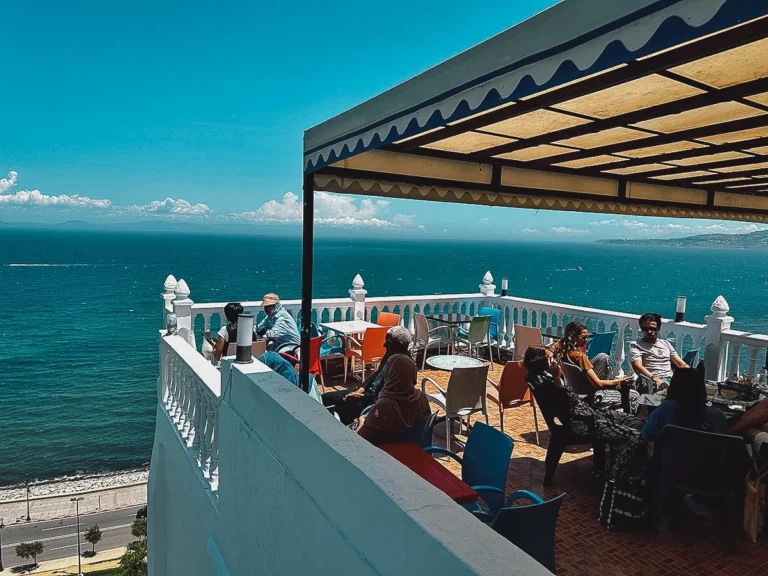
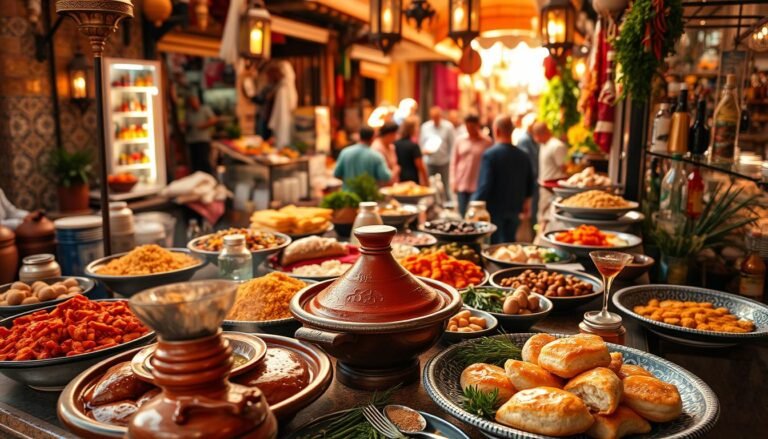
Imagine sitting inside Cafe Hafa or a cozy Medina restaurant, sipping hot Moroccan mint tea, and eating a warm Tagine while watching the rain outside. Winter is also the cheapest time to visit, making it ideal for budget backpackers.
Summary: When Should You Go?
- For Sightseeing and Walking: Spring (April, May) or Autumn (September, October).
- For Swimming and Nightlife: Summer (July, August).
- For Budget Travelers: Winter (January, February).
Whenever you choose to go, Tangier’s unique blend of African, Arabic, and European cultures will ensure you have an unforgettable trip. For current weather forecasts, you can check global meteorological sites like Weather.com before packing your bags.
Tangier Weather FAQ
Q: What is the hottest month in Tangier?
A: August is typically the hottest month in Tangier, with average high temperatures hovering around 28°C to 30°C (82°F to 86°F).
Q: Does it snow in Tangier in winter?
A: No, snow is extremely rare in Tangier. Winters are generally mild and rainy with temperatures around 10°C to 16°C.
Read Next: A Perfect 2-Day Tangier Itinerary