
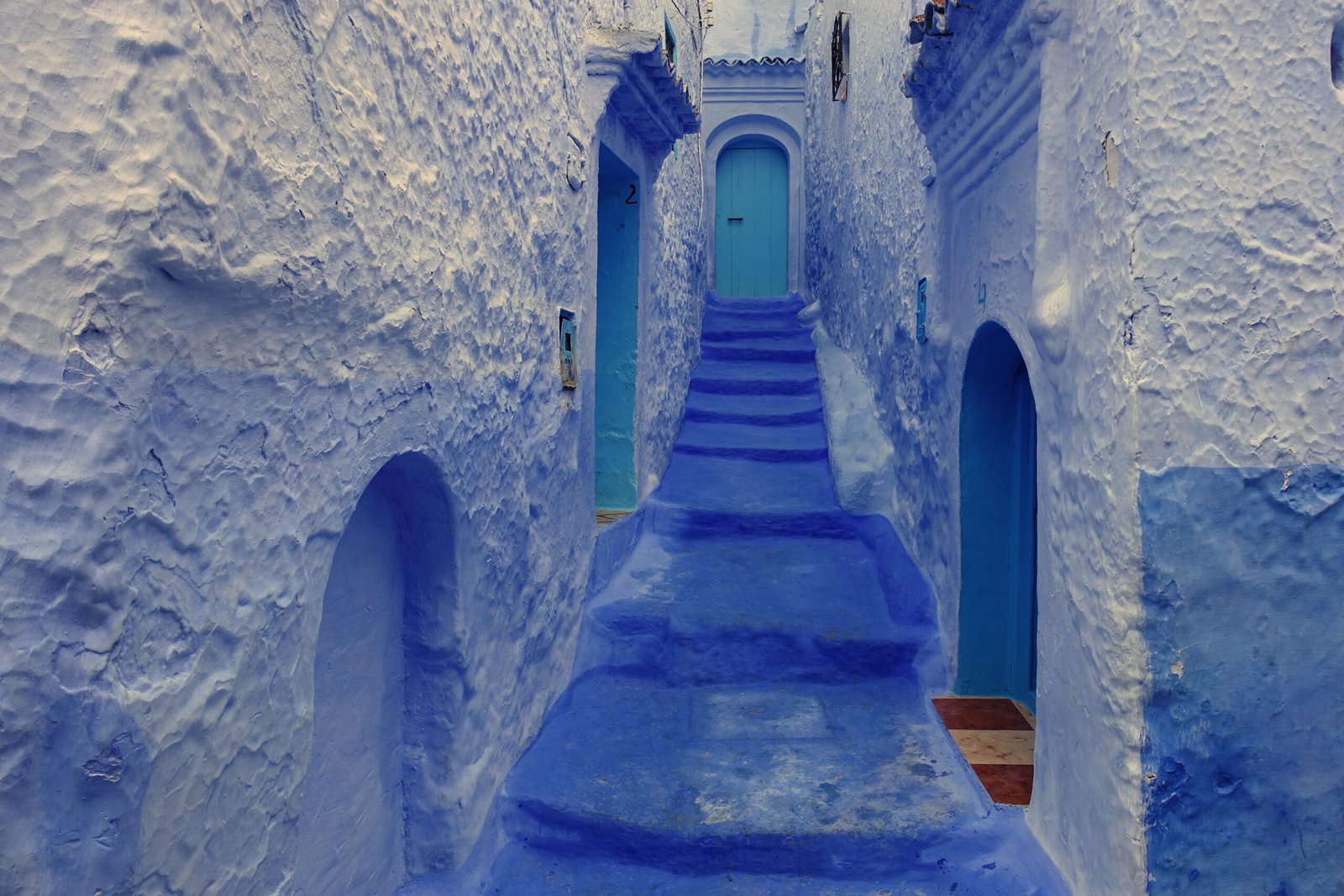
Chefchaouen Morocco Travel Guide: 7 Amazing Reasons to Visit
Welcome to the ultimate Chefchaouen Morocco travel guide! Famous worldwide as the “Blue Pearl” of Morocco, Chefchaouen is a magical town set against the striking backdrop of the Rif Mountains. Its mesmerizing blue-washed buildings, relaxed atmosphere, and vibrant local culture make it one of the most photogenic and beloved destinations in North Africa. Whether you’re a photographer, a hiker, or a traveler seeking a peaceful mountain retreat, this guide covers everything you need to know about visiting Chefchaouen.
Why You Need This Chefchaouen Morocco travel guide
There is nowhere else in the world quite like Chefchaouen. The town was founded in 1471 as a small fortress to fight off Portuguese invasions. Following the Spanish Reconquista in 1492, Jewish and Muslim refugees fled here, bringing with them the tradition of painting their houses blue—a custom said to symbolize the sky and heaven, serving as a reminder to lead a spiritual life. Today, wandering through the endless blue alleys is a surreal and deeply calming experience.
According to our Chefchaouen Morocco travel guide, beyond its striking appearance, Chefchaouen offers a respite from the intensity of cities like Fes and Marrakech. The pace of life here is slower, the air is mountain-fresh, and the local Berber culture provides a unique dimension to the Moroccan experience.

Top Things to Do in Chefchaouen
The best thing to do in Chefchaouen is simply to get lost in the Medina. It is small enough that you can’t get truly lost for long, but intricate enough to offer a new discovery at every turn. Look out for beautifully decorated doorways, hidden courtyards, and resident cats lounging on blue steps.
At the heart of the medina is the Plaza Uta el-Hammam, the bustling main square lined with cafes and restaurants. It’s the perfect spot to sip mint tea and people-watch. Dominating the square is the Kasbah (a heavily restored 15th-century fortress) and the Grand Mosque with its unique octagonal minaret.
For the best panoramic view of the town, take a short hike up to the Spanish Mosque. Sitting on a hill overlooking Chefchaouen, this abandoned mosque offers a spectacular vantage point, especially at sunset when the blue buildings glow in the fading light.

Hiking in the Rif Mountains and Akchour
Chefchaouen is an excellent base for nature lovers. The surrounding Rif Mountains (specifically the Talassemtane National Park) offer numerous hiking trails ranging from easy walks to challenging multi-day treks. The scenery is characterized by deep gorges, cedar forests, and rugged peaks.
A highly recommended day trip in this Chefchaouen Morocco travel guide is a hike to the Cascades d’Akchour (Akchour Waterfalls). Located about 45 minutes by taxi from Chefchaouen, this beautiful trail follows a crystal-clear river to a series of stunning waterfalls. Along the way, you’ll cross makeshift bridges and find small cafes where you can cool off with a drink chilling right in the river.

Shopping for Local Handicrafts
Shopping in Chefchaouen is a delight. The region is famous for specific handicrafts that are hard to find elsewhere in Morocco. Look for colorful woven blankets (which you will often see locals wearing), traditional Berber clothing, intricately painted wooden furniture, and goat cheese.
Because the town is more laid-back, shopkeepers are generally less aggressive than in the larger imperial cities, making browsing a much more pleasant experience.
Practical Travel Tips for Chefchaouen
Chefchaouen has no airport or train station, so you must arrive by road. The easiest way is by CTM bus from Tangier (approx. 2.5 hours) or Fes (approx. 4 hours). Alternatively, you can hire a grand taxi for a more direct route.
The weather varies significantly by season. Summers can be quite hot, though cooler than the lowlands, while winters in the Rif Mountains get cold and occasionally see snow. Spring and autumn offer the most pleasant hiking and sightseeing weather.
For more historical context, you can read more on Wikipedia. If you are planning a broader trip, consider visiting Asilah or check out the White Dove in our Tetouan travel guide!
Frequently Asked Questions (FAQ)
Why is Chefchaouen painted blue?
The most common belief is that Jewish refugees painted the buildings blue in the 1930s, as blue represents the sky and heaven, serving as a spiritual reminder. Others claim the color helps keep mosquitoes away or simply keeps the buildings cool during summer.
How many days should I spend in Chefchaouen?
To fully explore the medina and take a day trip to the Akchour waterfalls or the Rif mountains, a 2 to 3-day stay is highly recommended. It allows you to absorb the relaxed vibe without rushing.
Can you drink alcohol in Chefchaouen?
Chefchaouen is a conservative mountain town, and alcohol is not sold in the medina. You can find a couple of licensed hotels outside the old town that serve alcohol, but it is not widely available.