Hercules Caves Tangier Morocco: Complete History and Visitor Tips
Just 14 kilometers west of the bustling center of Tangier lies one of the most enigmatic, photographed, and culturally significant natural landmarks in all of North Africa: the hercules caves tangier. Shrouded in ancient Greek mythology and shaped by millennia of crashing ocean waves, this spectacular subterranean complex offers a mesmerizing blend of natural beauty, ancient history, and local legend.
Whether you are a history buff, a mythology enthusiast, or simply a traveler looking for the perfect photograph to encapsulate your Moroccan adventure, visiting the hercules caves tangier is an absolute must. In this incredibly detailed guide, we will dive deep into the fascinating myths surrounding the caves, explore the geology that created them, and provide you with every single tip you need to maximize your visit, from transportation and entry fees to avoiding common tourist traps.
The Mythological Significance: Did Hercules Really Rest Here?
The name “Hercules Caves” is not merely a marketing gimmick; it is deeply rooted in the ancient mythologies of the Mediterranean world. According to classical Roman and Greek mythology, Hercules (or Heracles in Greek) was tasked with completing twelve incredibly difficult labors as penance for his past sins. The eleventh of these labors was to steal the golden apples from the Garden of the Hesperides, which were said to grant immortality.
The ancient Greeks believed that this mythical garden was located in modern-day Morocco, specifically near the region of Tangier (then known as Tingis). The legend states that before embarking on this monumental task—which involved battling the hundred-headed dragon Ladon—Hercules needed a place to rest and gather his immense strength. He chose this massive cave complex by the sea as his temporary home.
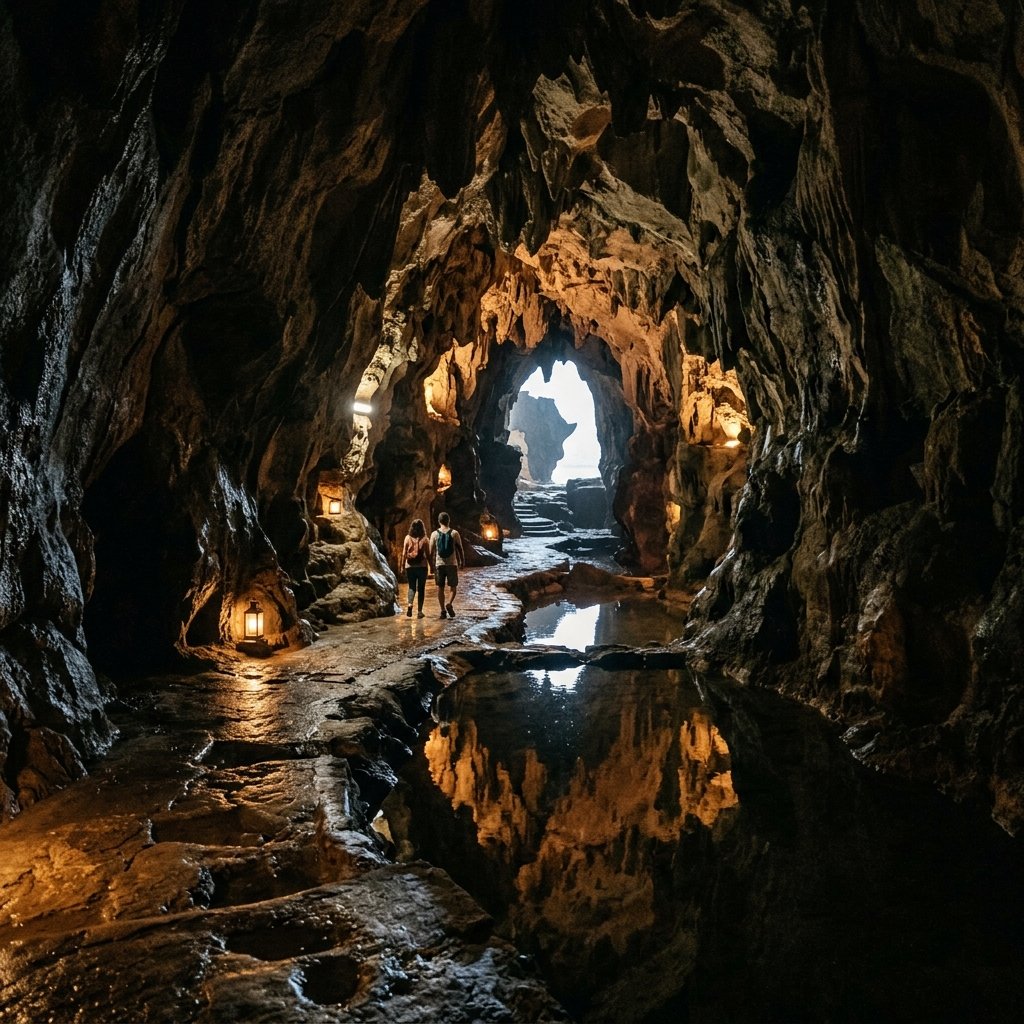
Furthermore, local lore suggests that in a massive display of his god-like strength, Hercules smashed through the rock wall that connected Africa and Europe, creating the Strait of Gibraltar and placing the Pillars of Hercules on either side (the Rock of Gibraltar on the European side, and either Monte Hacho or Jebel Musa on the African side). While geologists have a much different explanation for the formation of the strait, the mythological story adds an undeniable aura of magic to the caves.
Geology and the “Map of Africa”
Moving away from mythology and into the realm of science, the hercules caves tangier are a fascinating geological phenomenon. The cave complex is partly natural and partly man-made. Over thousands of years, the relentless, powerful waves of the Atlantic Ocean crashed against the limestone cliffs of Cap Spartel, slowly eroding the rock and creating deep, natural caverns.
However, the caves as we see them today were significantly expanded by human activity. Since antiquity, the local Berber people utilized the caves as a massive stone quarry. They cut circular millstones out of the rock walls to use for pressing olives and grinding wheat. If you look closely at the interior walls of the caves today, you can still see the distinct, circular indentations left behind by these ancient stonecutters.
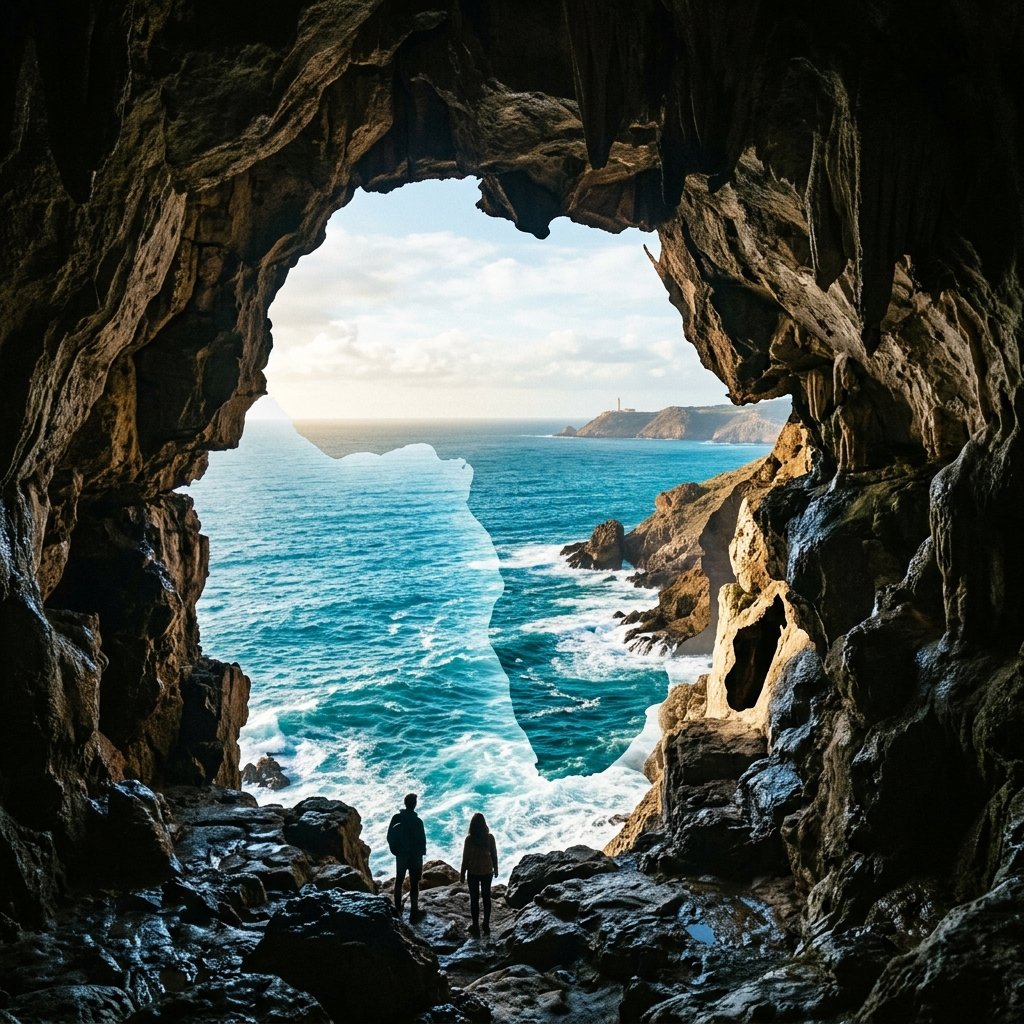
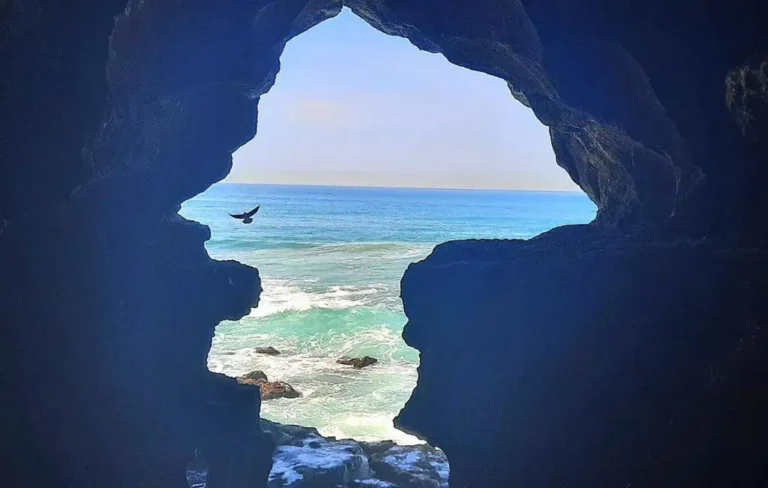
Without a doubt, the most famous feature of the hercules caves tangier—and the reason millions of tourists have visited over the decades—is the spectacular sea window. Facing out toward the deep blue Atlantic Ocean, the cave opening bears an uncanny, almost eerie resemblance to the geographical map of the continent of Africa.
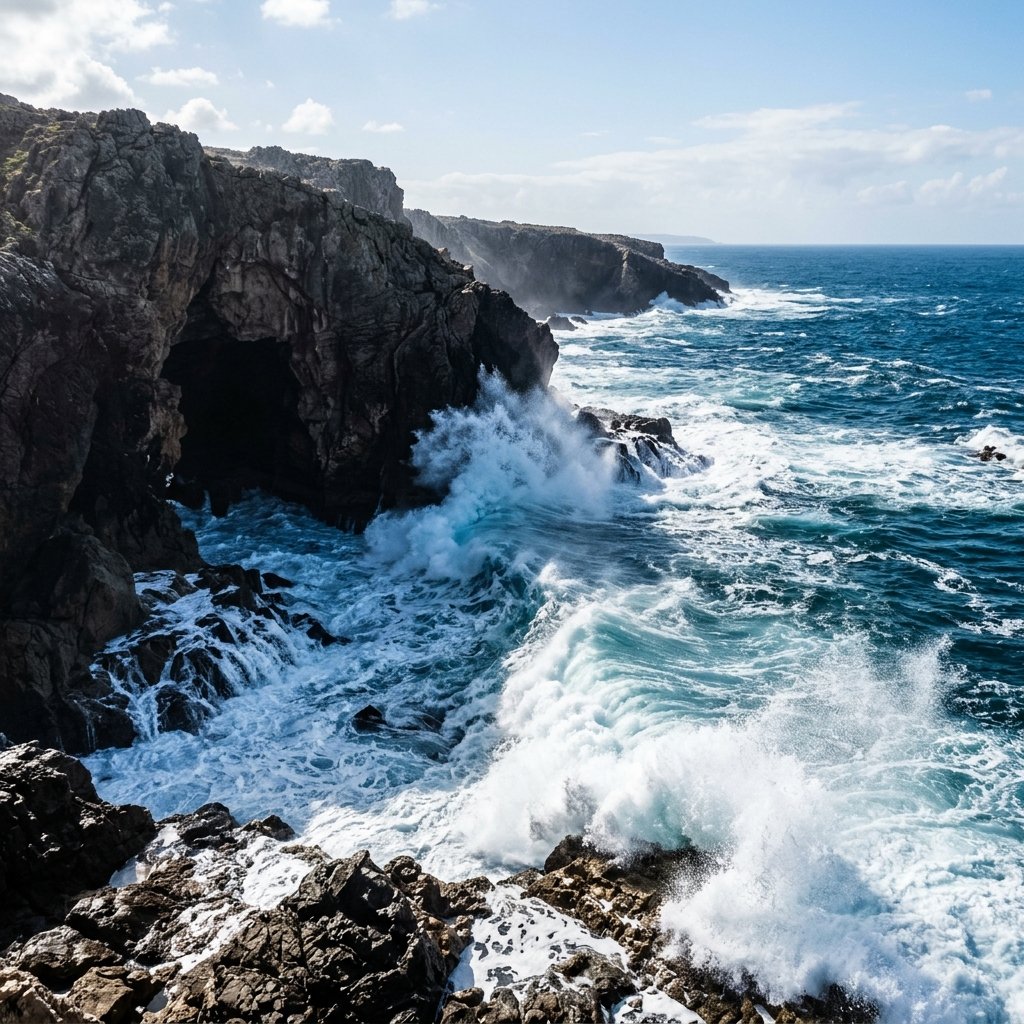
It is said that the opening was originally much smaller, but was expanded by the Phoenicians centuries ago who used the cave as a lookout point and shelter for their ships. Regardless of who finalized the shape, the “Map of Africa” is now one of the most photographed spots in all of Morocco. When the tide is high, the massive waves crash directly into the opening, creating a dramatic, thunderous roar and spraying a fine, salty mist throughout the cavern.
Practical Visitor Information: Planning Your Trip
To ensure your visit to the hercules caves tangier is smooth and enjoyable, proper planning is essential. The caves have undergone significant renovations in recent years, transforming from a slightly neglected natural site into a proper, well-maintained tourist attraction.
Opening Hours and Best Time to Go
The caves are generally open to the public from 9:00 AM until 8:00 PM every day of the week, though these hours can fluctuate slightly during the holy month of Ramadan or during the shorter days of winter.
Because this is one of Tangier’s most popular attractions, it can get incredibly crowded, especially during the peak summer months of July and August, and on weekends when domestic Moroccan tourists flock to the coast. To avoid the massive crowds and the line of people waiting to take a photo in front of the “Map of Africa,” it is highly recommended to arrive exactly when the gates open at 9:00 AM.
Alternatively, visiting late in the afternoon, roughly an hour before sunset, provides arguably the best lighting. The golden hour light shines directly through the sea window, illuminating the dark interior of the cave in spectacular fashion.
Ticket Prices and Entrance Fees
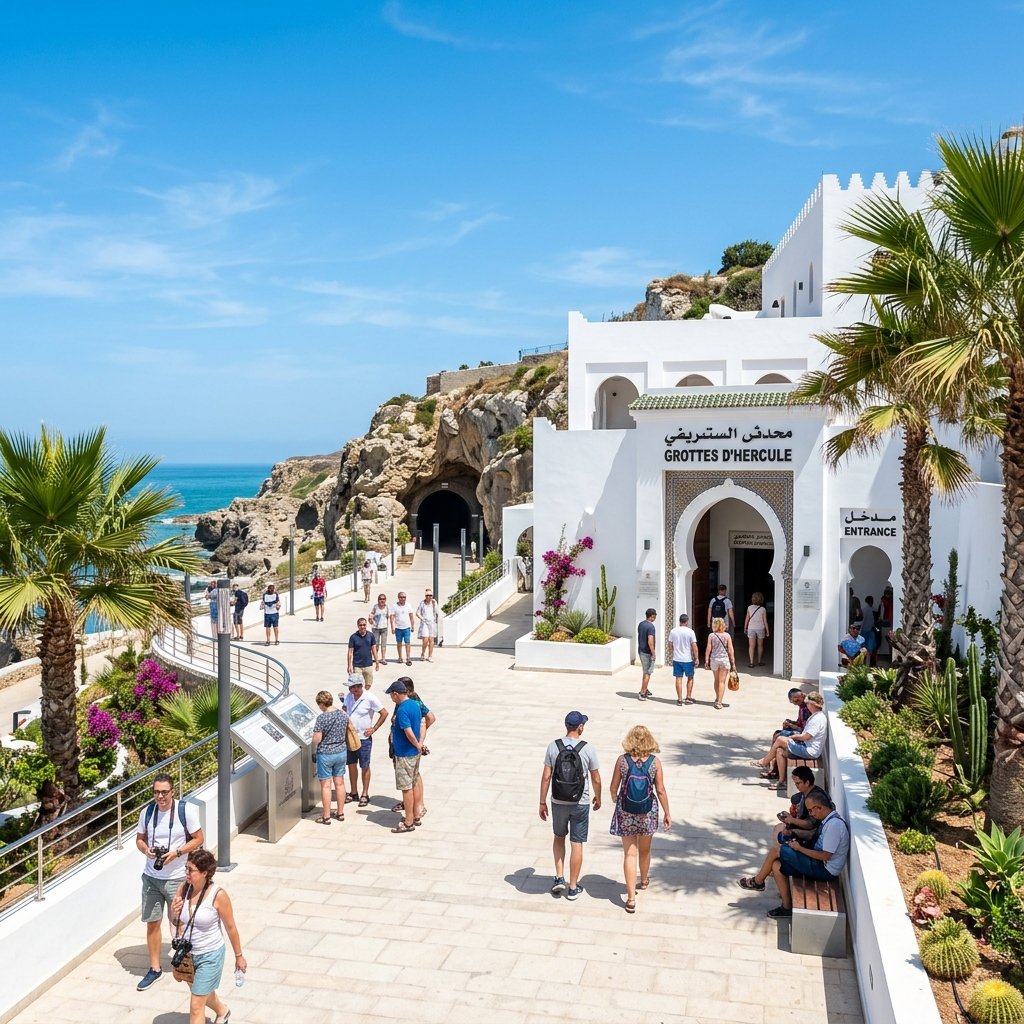
Following the recent renovations, the Moroccan government implemented an official ticketing system to maintain the cleanliness and safety of the site. As of 2026, the entrance fee is incredibly affordable:
- International Tourists: 60 Moroccan Dirhams (MAD) – roughly $6 USD.
- Moroccan Citizens and Residents: 20 MAD.
- Children under 12: Free.
There is no need to book tickets in advance; you can simply purchase them at the official ticket booth located at the entrance plaza. Keep in mind that cash (Dirhams) is the only accepted form of payment, so do not rely on your credit card.
How to Get to the Hercules Caves
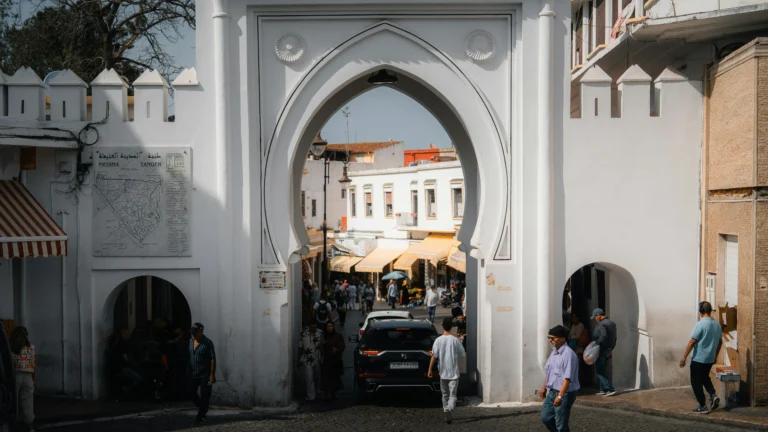
The caves are located about 14 kilometers (8.5 miles) west of Tangier’s city center. Because they are situated outside the main urban area, you cannot simply walk there from the Medina. However, you have several convenient transportation options depending on your budget and travel style.
1. The Grand Taxi (The Local Way)
The most authentic and budget-friendly way to reach the caves is by taking a shared “Grand Taxi.” Head to the Grand Taxi station near the Iberia roundabout or just outside the Medina walls. You can share a taxi with other locals heading in the same direction for roughly 15 to 20 MAD per seat. If you don’t want to wait for the taxi to fill up, or if you prefer privacy, you can negotiate to “buy out” the entire taxi for around 100 to 150 MAD for a one-way trip.
2. The Hop-On Hop-Off Tourist Bus
Tangier operates a modern, open-top double-decker tourist bus (City Tour Tanger) that offers a fantastic, stress-free way to reach the caves. The “Spartel Tour” route departs from the Tangier port and makes stops at several major attractions, including Cap Spartel and the Hercules Caves. A 48-hour ticket costs around 150 MAD and includes an audio guide in multiple languages.
3. Private Driver or Tour Guide
If you prefer ultimate comfort and flexibility, you can hire a private driver or book a half-day tour through your Riad or hotel. This usually costs between 300 and 500 MAD for a half-day excursion. The massive benefit of this option is that the driver will wait for you at the caves and can also take you to nearby attractions like Cap Spartel and the Perdicaris Park on the same trip.
What to Expect Inside: Tips and Tourist Traps
Once you pass through the entrance turnstiles, you will walk down a series of paved steps that lead deep into the rock. The temperature drops noticeably as you descend, offering a refreshing escape from the intense summer heat.
Photography Tips
Taking the perfect photo of the “Map of Africa” window can be tricky due to the extreme contrast between the dark cave interior and the bright ocean outside. If you are using a smartphone, manually adjust your exposure by tapping on the bright water and dragging the exposure slider down. This will turn the rock walls into a striking black silhouette, perfectly framing the ocean and sky. If you are using a DSLR, exposing for the highlights is crucial.
Navigating the Souvenirs and “Guides”
Like many major tourist sites in Morocco, the hercules caves tangier have their share of enthusiastic vendors. Before you reach the actual cave opening, you will pass through a hallway lined with small shops selling everything from colorful Moroccan rugs and traditional clothing to small trinkets and fossils.
Furthermore, you may be approached by unofficial “guides” inside the cave offering to show you hidden spots or take your photo. Be aware that these guides will expect a tip (pourboire) for their services, usually around 20 to 50 MAD. If you do not want their help, a polite but firm “La, shukran” (No, thank you) is usually sufficient. The cave is quite small and entirely self-explanatory; you absolutely do not need a guide to explore it.
Making a Full Day of It: Nearby Attractions
Because the caves will only take about 45 minutes to an hour to explore fully, it is highly recommended to combine your visit with other nearby attractions along the spectacular Atlantic coast.
Cap Spartel
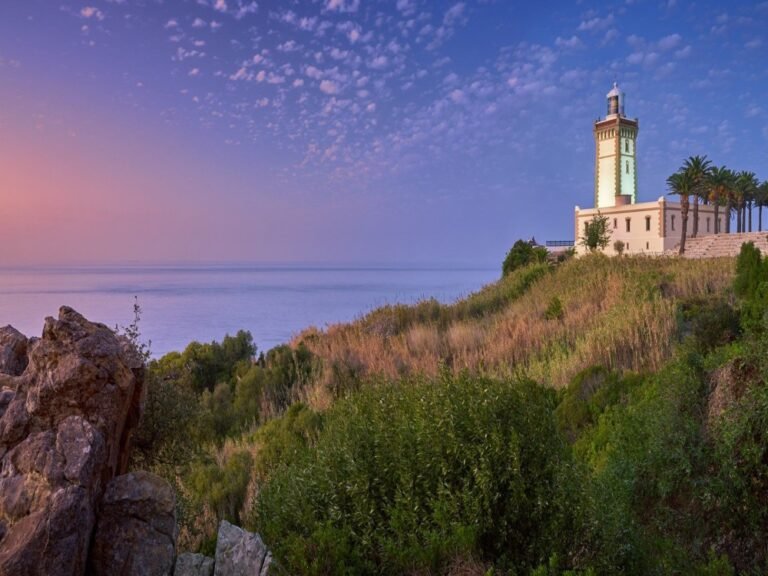
Just five kilometers north of the caves lies Cap Spartel, the magnificent promontory where the Atlantic Ocean officially meets the Mediterranean Sea. The site is crowned by a stunning, functioning lighthouse built in the 1860s. The views here are unparalleled, and there are several upscale cafes where you can enjoy a mint tea while looking out at the two oceans colliding.
Achakkar Beach
Located immediately adjacent to the caves is Achakkar Beach, a wide, pristine stretch of golden sand that is incredibly popular with local families. It is a fantastic spot for a swim, a beachside picnic, or even a sunset camel ride along the shore.
Conclusion
A visit to the hercules caves tangier is a journey through myth, geology, and raw natural power. By following this guide, you will be perfectly prepared to navigate the logistics, avoid the crowds, and capture the perfect photograph of the iconic Map of Africa.
After your subterranean adventure, head back into the city to explore the best free activities in the Medina, or read more about the deep history of the region on the Wikipedia page for the Caves of Hercules or the official Morocco tourism portal.
Hercules Caves FAQ
Q: How much does it cost to enter Hercules Caves?
A: The entrance fee to the main cave is usually around 60 MAD (about $6 USD), making it an affordable attraction.
Q: Who built the Hercules Caves?
A: The caves are partly natural and partly man-made, expanded over centuries by Berber people cutting stone wheels from the walls.
Read Next: Cap Spartel Tangier